I.
Circular economy
Clothing is designed to be repaired, passed on and recycled. Old becomes new becomes old — without loss.
— A campaign for Europe's wardrobe
Textiles are the fifth largest driver of climate change in Europe. Every second, a truckload of clothing is burned or sent to landfill somewhere in the world. It is time to take the system apart.
01 — The Problem
What began as democratic access to fashion has become a machine for destroying resources, lifetimes and dignity.
Linear business models — produce, sell, discard — dominate an industry that should have rethought itself long ago.
Among the EU's most climate-damaging consumption categories
more clothing is bought today than back in the year 2000
of used clothing is recycled into new garments
items of clothing is never worn
Four layers
Four interlocking crises that stand behind every change of season. Scroll to see them.
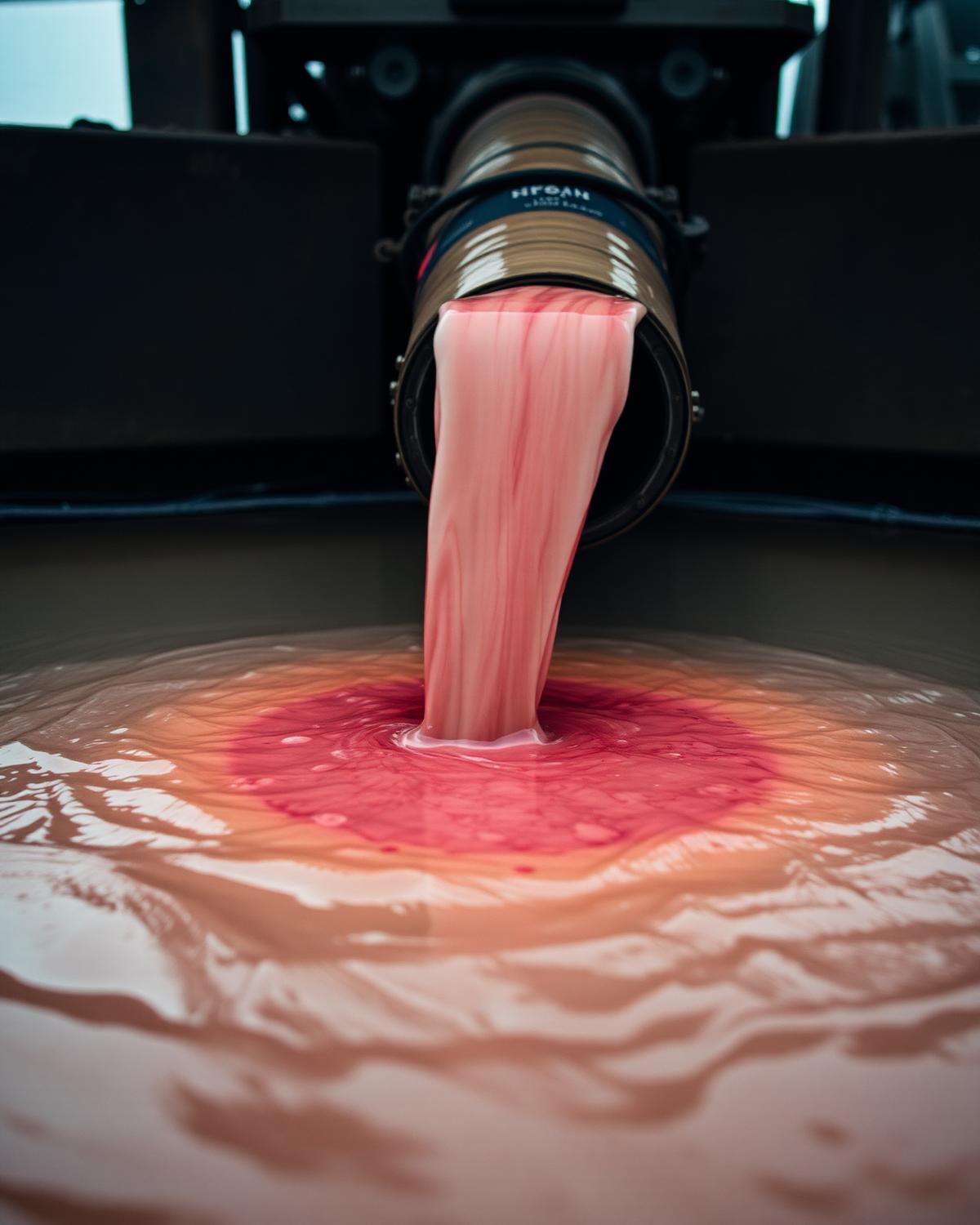
Polyester made from fossil oil. Cotton that drains entire rivers. Dyeing processes that poison drinking water. The fashion industry leaves behind a trail that few other sectors can match.
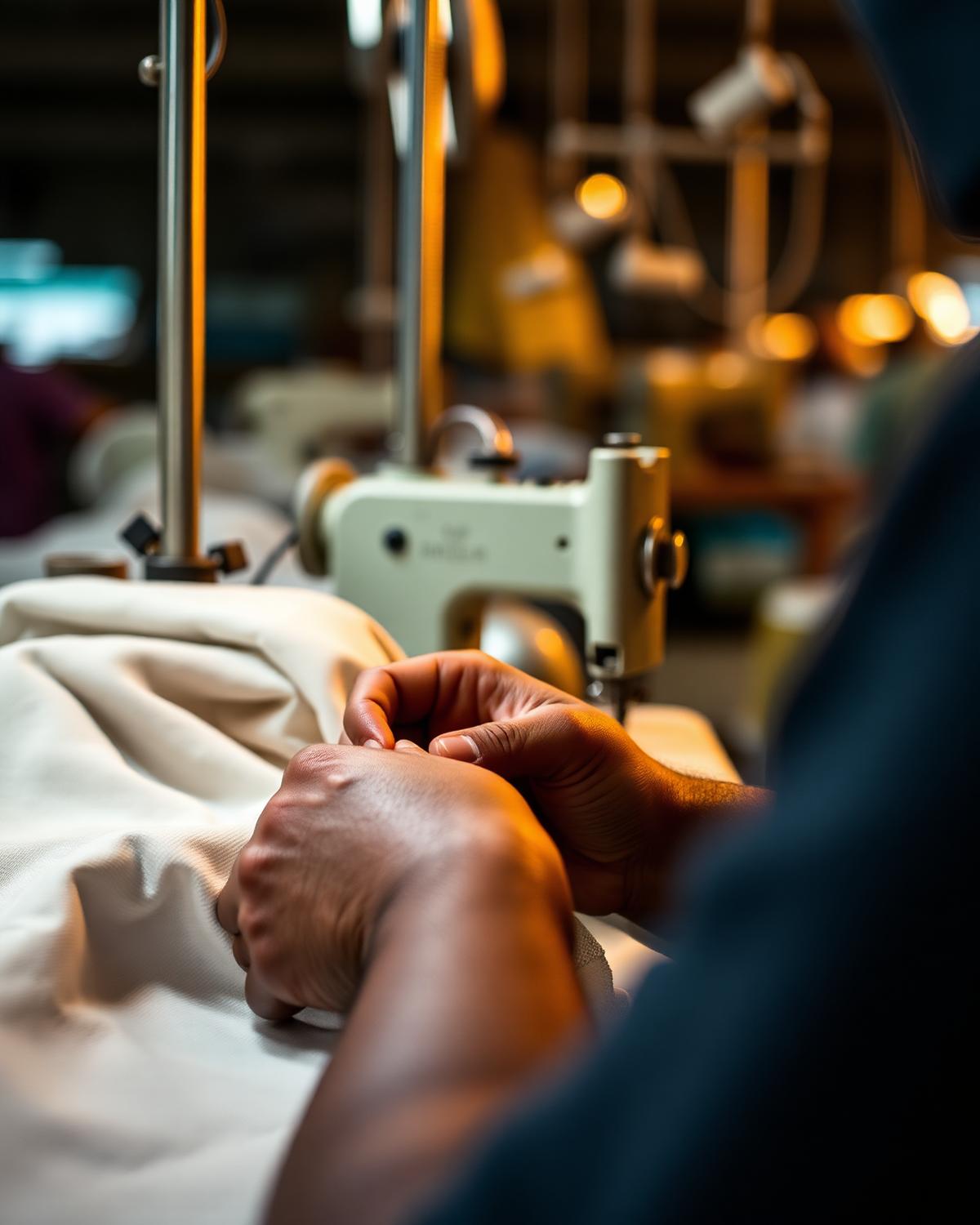
Millions work in the supply chains under conditions that would be illegal in Europe. Starvation wages, 70-hour weeks, child labour. Behind every €4.99 shirt is a price that someone else pays.
Fur, leather, down, wool — conventionally produced under conditions that have nothing to do with animal welfare. Plant-based and synthetic alternatives have long existed that lack nothing in quality.
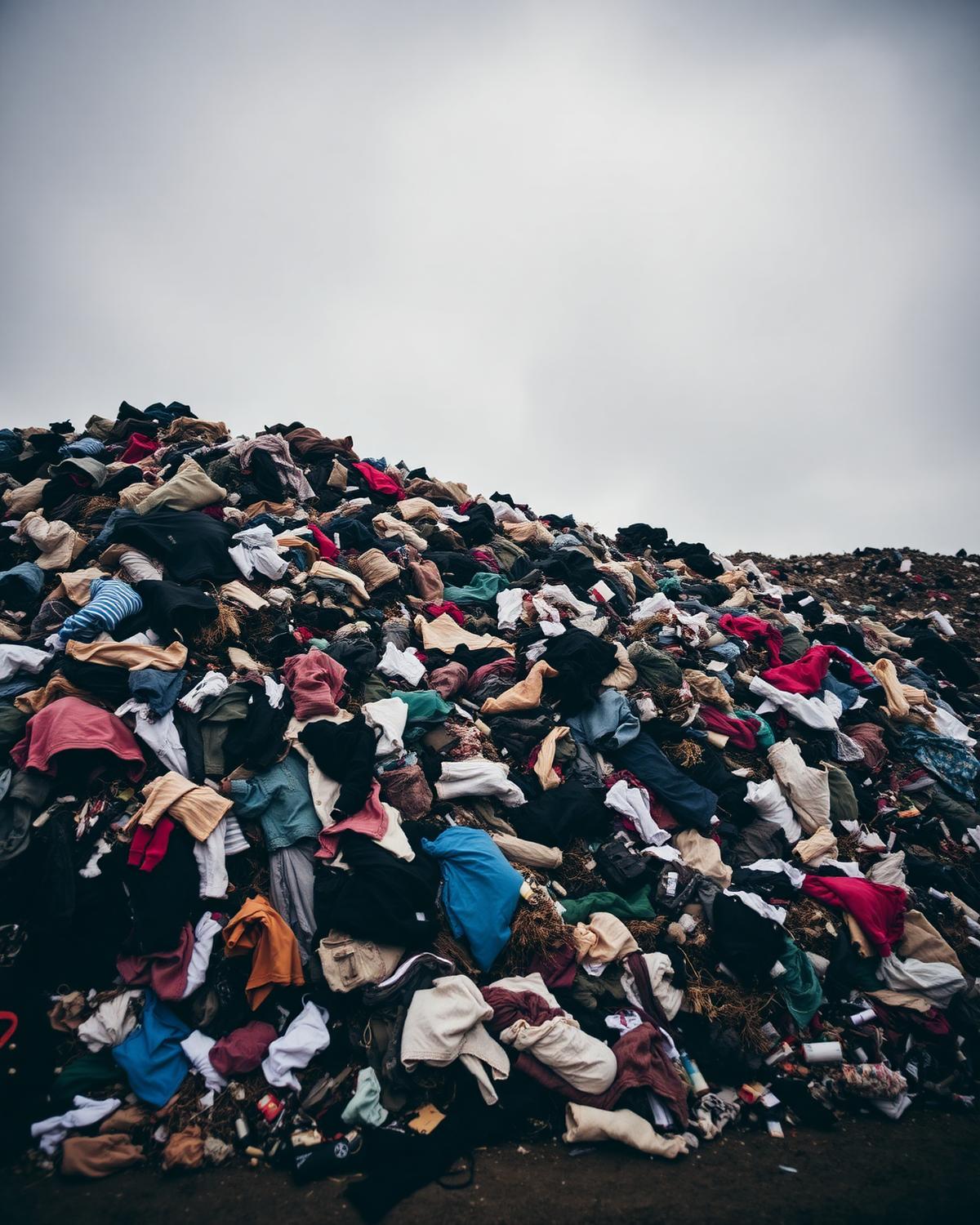
There is none. More than 87% of textiles produced worldwide end up in landfills or incinerators. Fashion today is a linear system — from the earth, into the bin.
— Quote
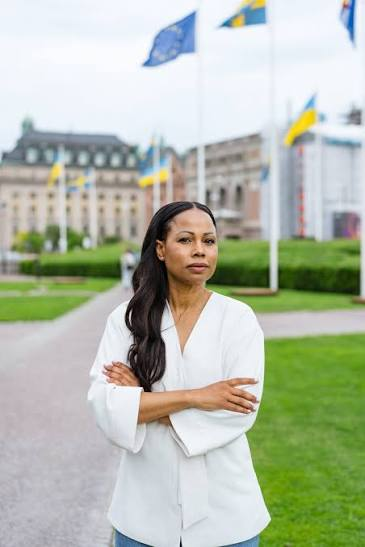
"Climate justice must stand at the centre of global change. The EU, with its high historical emissions, carries a particular responsibility."
02 — The Vision
Sustainable fashion is not a trend. It is a return to what fashion once was: crafted, long-lasting, loved. Four principles carry this new fashion.
Clothing is designed to be repaired, passed on and recycled. Old becomes new becomes old — without loss.
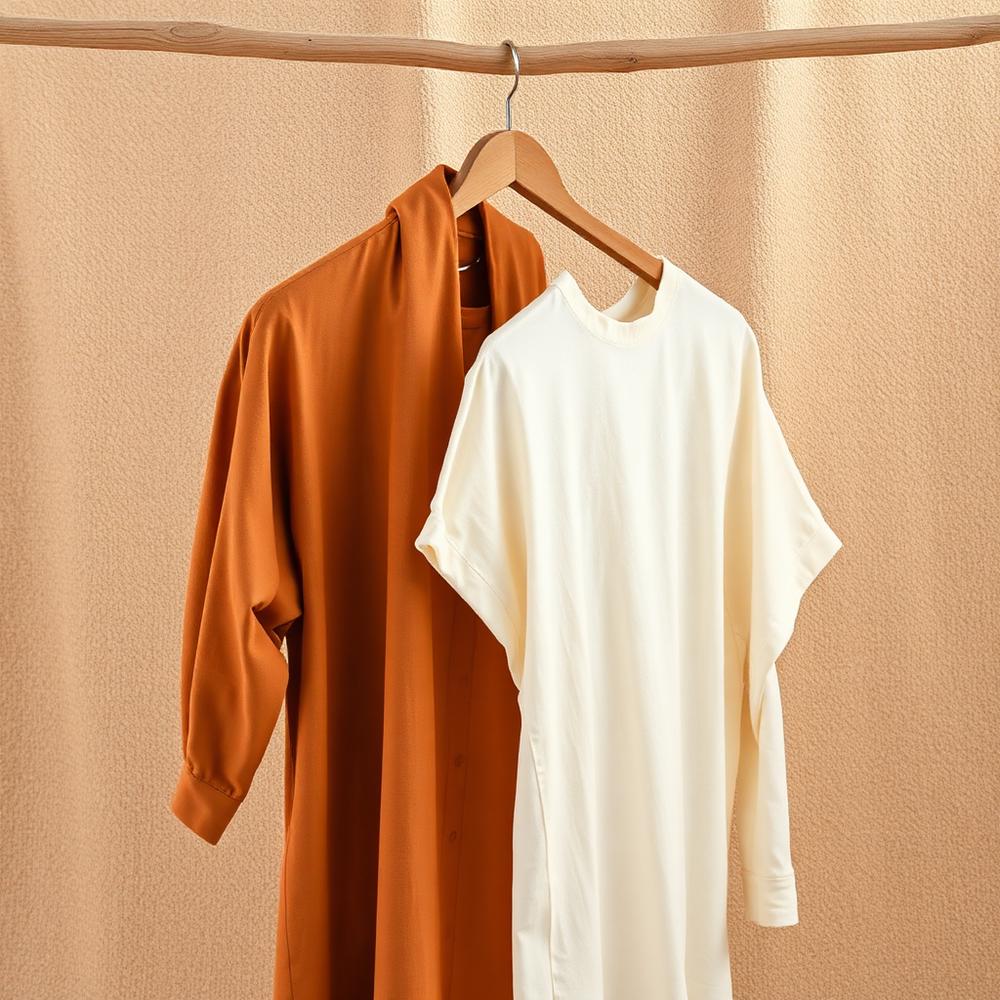
Less, but better. Pieces that last ten years instead of ten months. Style over trend. Character over season.

Fair wages, safe workplaces, transparent supply chains. Every person in the production chain counts — and is treated that way.
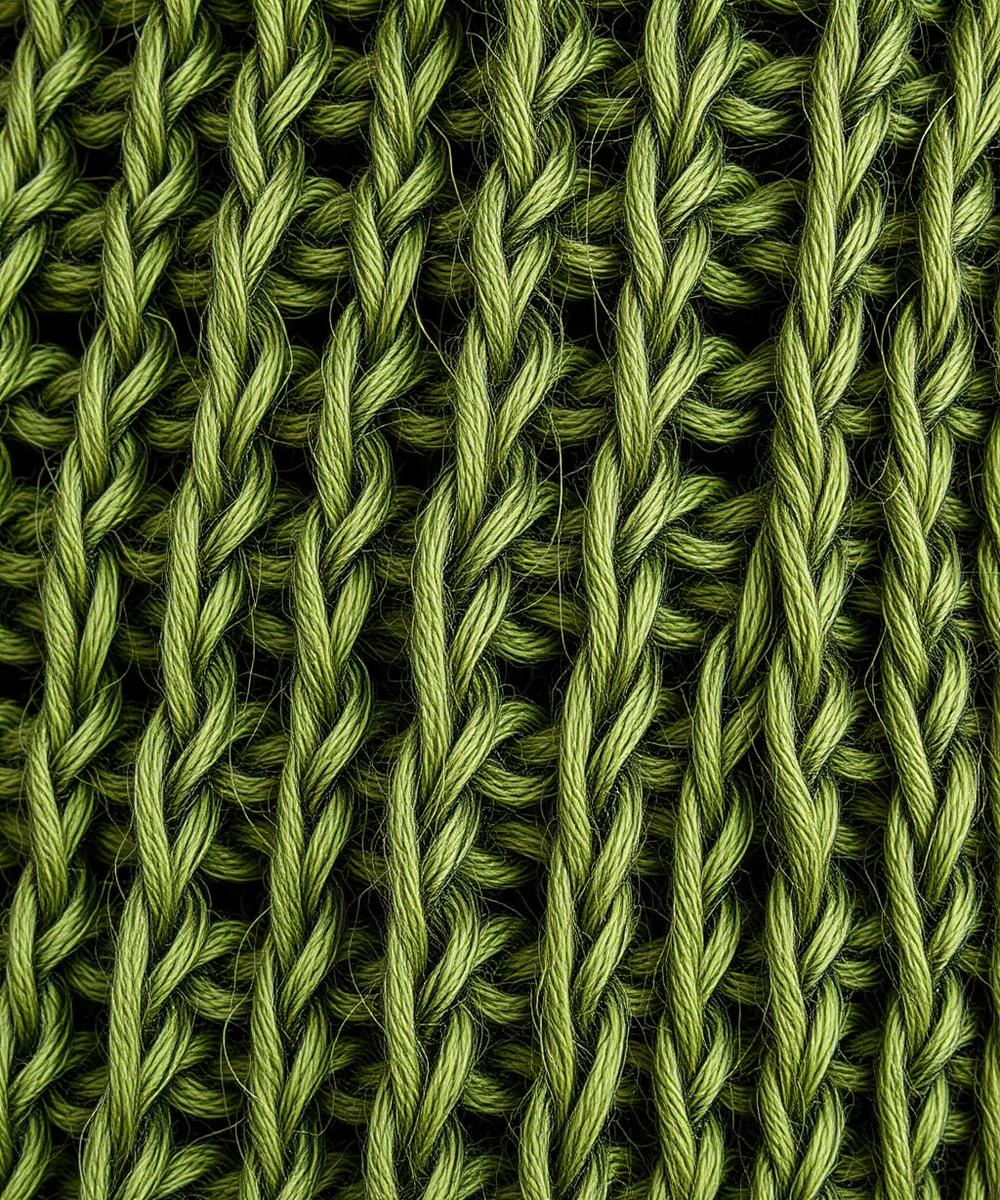
Organic cotton, Tencel, recycled polyester, plant-based leather. Materials that work with nature instead of against it.
Selection · Earth tones · Slow Fashion
Studio Linen
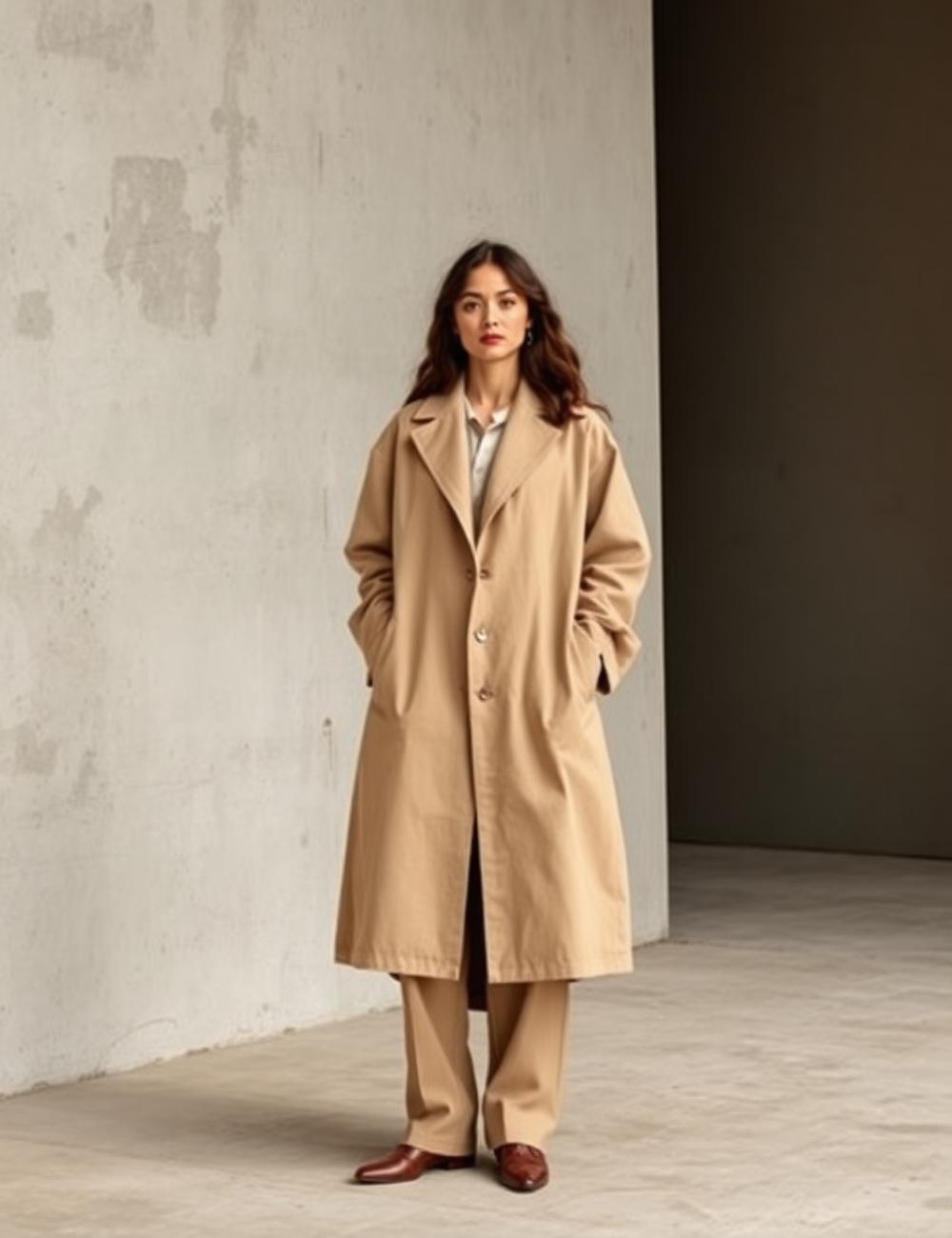
Oversized cuts, unbleached organic cotton
Maison Vert
Plant-dyed knitwear
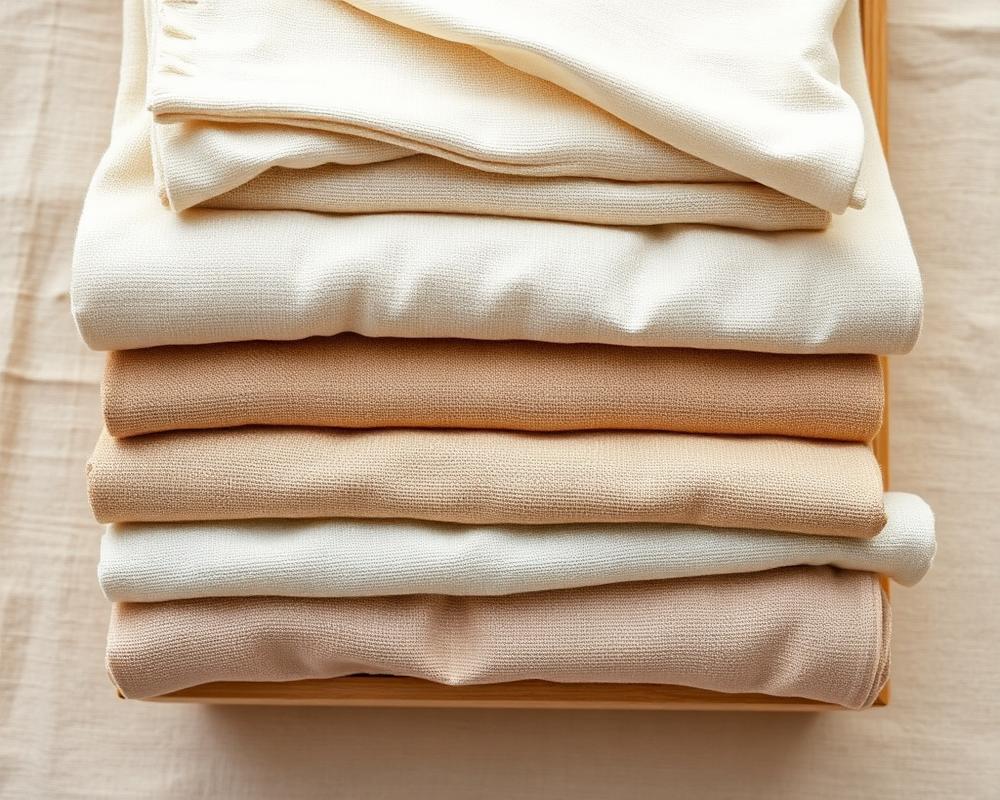
Atelier Roh
Natural fibres, locally processed
Fashion that outlasts time.
Form & Faden
Repair as a brand value
Kollektiv Erde
Transparent supply chain
03 — What policy must do
Industry representatives have admitted it themselves: many want to change — but they cannot, as long as competitors are allowed to keep flooding the market with dumping prices.
What is needed is binding, harmonised EU legislation that rewards the pioneers and forces the laggards to move.
04 — Your part
Before every purchase, ask: will I wear this piece at least 30 times? If not — leave it on the rack.
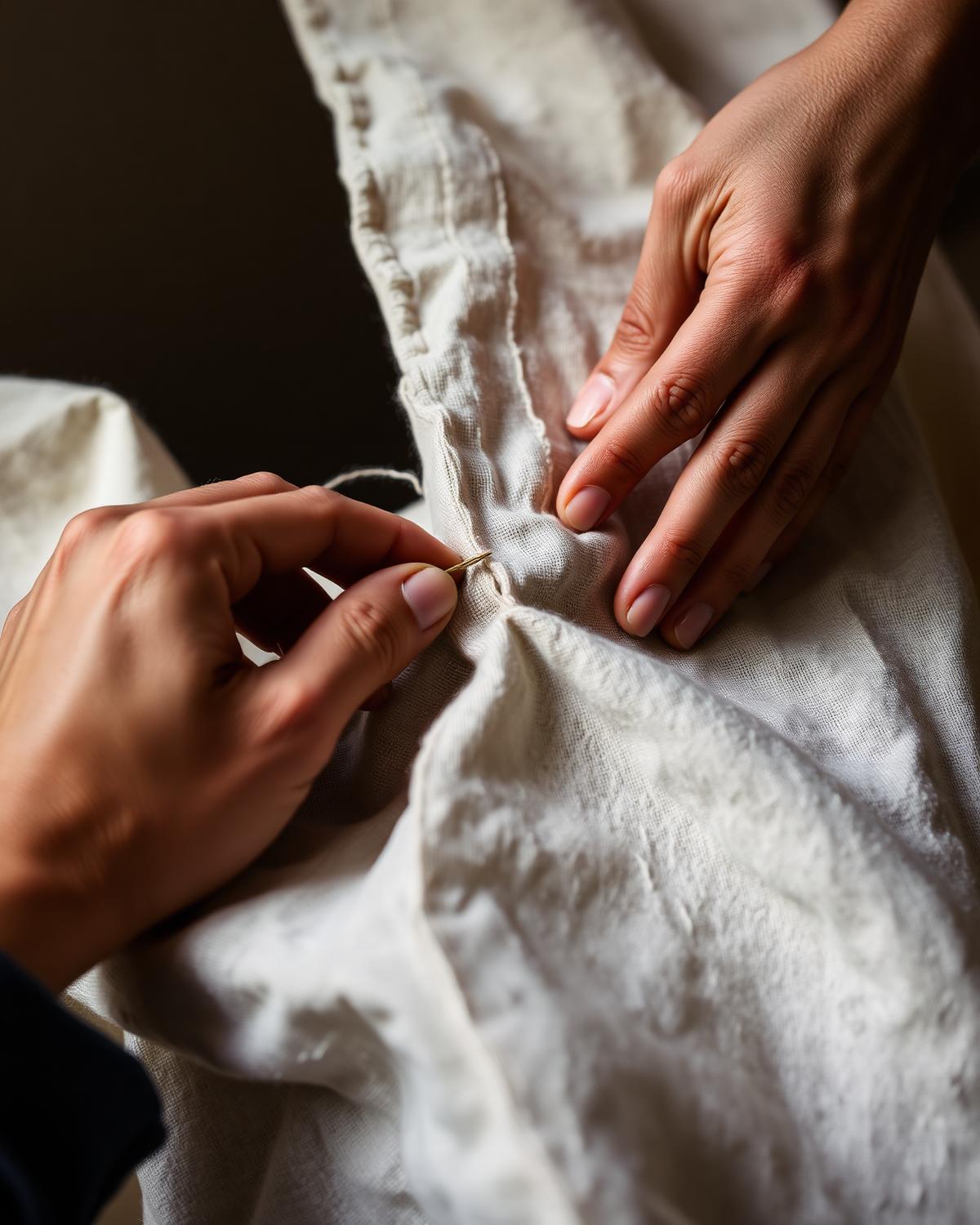
A torn seam is not a death sentence. Repair cafés, clothing swaps, secondhand — fashion has more than one life.
Write to your MEPs. Support initiatives. Follow brands that mean it. Silence only helps the status quo.
— The Manifesto
We believe clothing deserves more than a seasonal holiday on your skin.
We believe every person in a supply chain has a face.
We believe the earth cannot take another sale.
We believe in fashion that stays.
We believe in clothing as story.
We believe this is only the beginning.
— The FADENRISS Manifesto
— Newsletter
Once a month: curated stories, new brands, policy updates. No spam, no newsletter junk.